%20(1).png)
Understanding Freehold and Leasehold in Hospitality Properties for Savvy Investors
Investing in hospitality properties requires a clear understanding of ownership types, as these affect control, costs, and long-term value. Two common ownership structures are freehold and leasehold. Knowing the differences between them helps investors make informed decisions when browsing hospitality property sales listings. This guide explains key aspects of freehold and leasehold properties, focusing on ownership rights, responsibilities, costs, and resale implications.
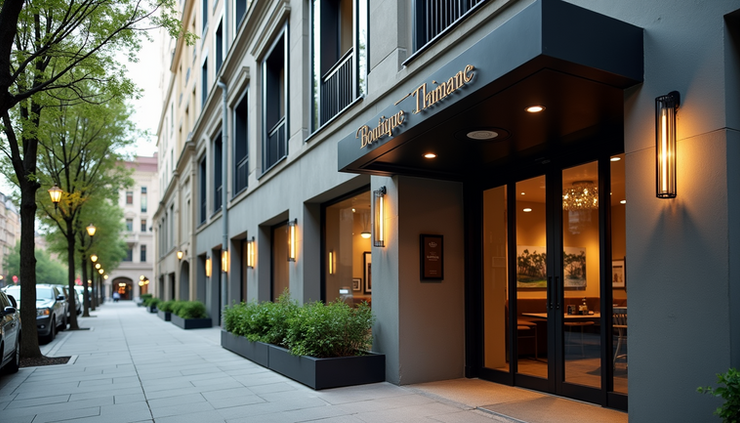
What Freehold and Leasehold Ownership Means in Hospitality Properties
Freehold ownership means you own the property and the land it stands on indefinitely. This is the most complete form of ownership and offers several advantages for hospitality investors:
Full control over the property, including renovations, leasing, or selling.
No time limit on ownership, so you can hold the asset long term.
Ability to generate income through renting or operating the hospitality business.
Easier to secure financing since lenders view freehold as lower risk.
Responsibilities and Costs for Freehold Owners
Owning a freehold hospitality property means you are responsible for all maintenance, repairs, property taxes, and insurance. These costs can be significant but come with the benefit of full decision-making power. For example, if you own a seaside hotel freehold, you must budget for regular upkeep against weather damage.
Resale Considerations
Freehold properties usually have higher resale values because buyers prefer the security and control they offer. When selling, you can market the property as a long-term asset with no lease restrictions, attracting a wider pool of investors.
Understanding Leasehold Ownership in Hospitality Properties
Leasehold means you lease the property and land from the freeholder for a fixed period, often 25 to 99 years. You have the right to use the property during the lease but do not own the land.
Key Features of Leasehold Properties
Lease terms define your rights and responsibilities.
You pay ground rent to the freeholder, which may increase over time.
You may need permission for major changes or subleasing.
Lease length affects property value; shorter leases reduce resale appeal.
Costs and Responsibilities for Leaseholders
Leaseholders typically pay:
Ground rent to the freeholder.
Service charges for maintenance of common areas.
Insurance contributions.
Repairs inside the property, depending on lease terms.
For example, a leasehold hotel in a city center might have high ground rent and service charges, impacting profitability.
Resale Implications of Leasehold Properties
Selling a leasehold hospitality property can be more complicated. Buyers often hesitate if the lease has fewer than 80 years remaining due to difficulty obtaining financing. Extending the lease can be costly but improves marketability.

Comparing Freehold and Leasehold for Hospitality Investors
| Aspect | Freehold | Leasehold |
|----------------------|-------------------------------------------|-----------------------------------------|
| Ownership Duration | Unlimited | Fixed term (25-99 years) |
| Control | Full control over property and land | Limited by lease terms |
| Costs | Property taxes, maintenance, insurance | Ground rent, service charges, repairs |
| Financing | Easier to obtain loans | More difficult with short leases |
| Resale Value | Generally higher due to ownership security | Lower if lease is short or costly to extend |
Practical Tips for Buyers Considering Hospitality Properties
Check lease length carefully if considering leasehold. Aim for leases with at least 80 years remaining.
Review lease terms for restrictions on property use, alterations, or subletting.
Calculate all ongoing costs including ground rent and service charges for leasehold properties.
Consider future resale: freehold properties attract more buyers and better prices.
Consult legal and financial advisors to understand implications specific to the property and location.
Final Thoughts on Freehold vs Leasehold Hospitality Properties
Choosing between Freehold and Leasehold hospitality properties depends on your investment goals, budget, and risk tolerance. Freehold offers long-term security and control but requires handling all property responsibilities. Leasehold can be more affordable upfront but comes with ongoing costs and limitations that affect value.
Savvy investors weigh these factors carefully when reviewing hospitality property sales listings. Understanding ownership structures helps avoid surprises and supports confident investment decisions. Before committing, gather detailed information on ownership terms, costs, and market conditions to ensure the property fits your strategy.


Comments