%20(1).png)
Maximizing Investment: Hospitality Properties with Development Potential for Growth-Minded Buyers
- Jan 17
- 3 min read
Hospitality properties that offer development potential present a unique opportunity for investors who want more than just a steady income stream. These properties allow buyers to expand, add rooms, change uses, or upgrade facilities to increase value and appeal. For growth-minded buyers, understanding how to identify and maximize these opportunities can lead to significant returns.
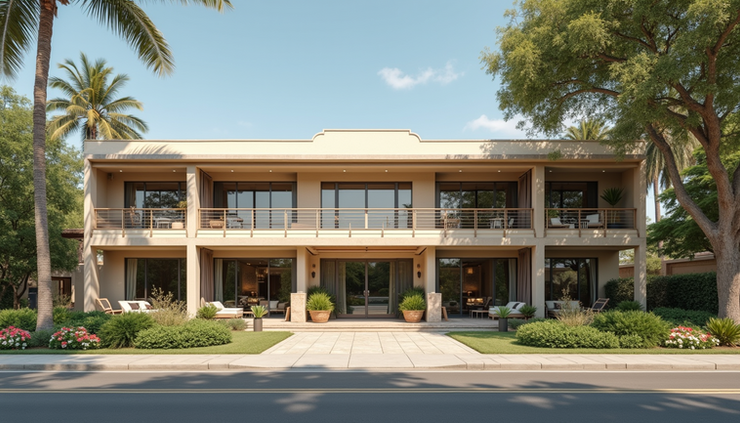
Why Development Potential Matters in Hospitality Properties, Why Looking For Hospitality Properties with Development Potential for Growth
Many hospitality properties operate within fixed parameters, limiting their ability to grow revenue. Properties with development potential break this mold by offering:
Room for physical expansion: Adding more guest rooms or event spaces can increase capacity and revenue.
Alternative uses: Converting underused areas into restaurants, wellness centers, or co-working spaces can diversify income.
Facility upgrades: Modernizing amenities attracts higher-paying guests and improves reputation.
Growth-minded buyers seek these features because they provide a path to increase the property's value beyond current earnings. Instead of buying a static asset, they acquire a dynamic one with clear avenues for improvement.
Identifying Properties with Development Potential
Finding hospitality properties with development potential requires careful evaluation. Key factors to consider include:
Location and Zoning
Check local zoning laws to confirm if expansion or alternative uses are allowed. Some areas restrict building height or types of businesses, which can limit development options. Properties near growing urban centers or tourist destinations often have more potential.
Physical Space and Layout
Look for properties with unused land, large parking lots, or underutilized buildings. For example, a hotel with a spacious backyard could add a pool or outdoor dining area. A motel with adjacent vacant land might build additional rooms or suites.
Condition of Existing Facilities
Older properties may need upgrades to meet modern guest expectations. While this requires investment, it also offers the chance to reposition the property in the market. Renovations can include adding luxury bathrooms, installing energy-efficient systems, or creating communal spaces.
Market Demand and Trends
Analyze local hospitality trends. If demand for boutique hotels, extended-stay accommodations, or wellness retreats is rising, properties that can adapt to these niches hold more value. For instance, a property near hiking trails might benefit from adding eco-friendly cabins or a spa.
Examples of Development Opportunities
Adding Guest Rooms
A small inn with limited rooms can increase revenue by building additional suites. For example, a 20-room bed and breakfast could add 10 more rooms by converting storage areas or expanding vertically, increasing occupancy potential.
Alternative Uses
Some properties can diversify by adding new services. A hotel with a large lobby might create a café or coworking space, attracting locals and guests alike. Another example is converting part of a property into event space for weddings or conferences, tapping into a different revenue stream.
Facility Upgrades
Upgrading facilities can justify higher room rates. Installing smart room technology, renovating bathrooms, or adding fitness centers can attract business travelers and upscale tourists. These improvements also enhance guest satisfaction and repeat visits.

Practical Tips for Buyers
Conduct thorough due diligence: Understand zoning, permits, and local regulations before purchasing.
Estimate development costs accurately: Factor in construction, design, and potential downtime.
Plan for phased development: Start with smaller upgrades to generate cash flow before larger expansions.
Engage local experts: Architects, planners, and hospitality consultants can identify hidden opportunities.
Consider guest experience: Development should enhance comfort and convenience, not just add capacity.
Risks and Challenges
Development projects carry risks such as cost overruns, delays, or changes in market conditions. Buyers should prepare for these by:
Building contingency budgets
Securing flexible financing
Monitoring market trends regularly
Maintaining strong relationships with contractors and local authorities
Final Thoughts on Hospitality Properties with Development Potential
Hospitality Properties with Development Potential for Growth provide growth-minded buyers with a chance to increase value through expansion, alternative uses, or upgrades. Careful evaluation of location, physical space, and market demand is essential. By planning strategically and managing risks, investors can transform these properties into thriving hospitality destinations that generate higher returns.


Comments