%20(1).png)
Essential Considerations When Buying a Bed and Breakfast in the Scottish Highlands
Updated: Feb 2
Buying a Bed and Breakfast in the Scottish Highlands: A Comprehensive Guide
==========================================================================
Buying a bed and breakfast in the Scottish Highlands offers a unique opportunity to combine a lifestyle change with a business venture. The region’s stunning landscapes, rich history, and growing tourism make it an attractive location. However, owning and running a successful B&B here requires careful planning and understanding of several key factors. This guide highlights essential considerations to help you make an informed decision.
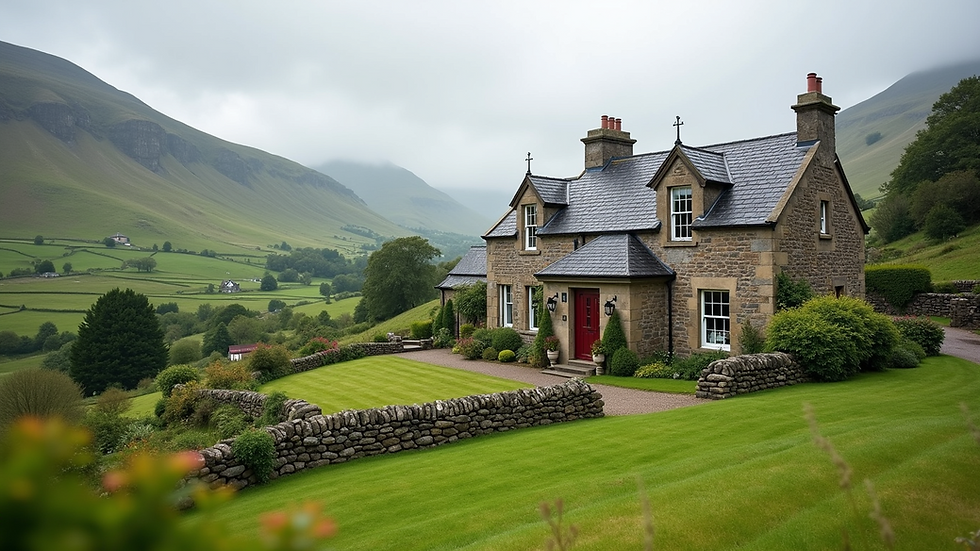
Location and Accessibility When Buying a Bed and Breakfast in the Scottish Highlands
The Scottish Highlands cover a vast area with diverse landscapes, from rugged mountains to serene lochs. When choosing a B&B location, think about:
Proximity to tourist attractions: Popular spots like Loch Ness, Cairngorms National Park, and historic castles attract visitors year-round. Being near these can boost bookings.
Transport links: Check access to main roads, airports, and public transport. Remote locations offer peace and natural beauty but may deter guests without private transport.
Local amenities: Nearby shops, restaurants, and emergency services add convenience for guests and ease your daily operations.
A well-located B&B balances scenic appeal with practical access to attract a steady flow of visitors.
Property Condition and Features
Inspecting the property thoroughly is crucial. Many B&Bs in the Highlands are in older buildings with character but may need updates. Key points to consider:
Structural integrity: Look for signs of damp, roof condition, and insulation quality. The Highland climate can be harsh, so a well-maintained building is essential.
Guest rooms: The number, size, and layout of rooms affect capacity and guest comfort. En-suite bathrooms are increasingly expected.
Common areas: Dining rooms, lounges, and outdoor spaces contribute to the guest experience.
Potential for expansion or renovation: Check if there is room to add more rooms or improve facilities to increase revenue.
Hiring a local surveyor familiar with Highland properties can save you from unexpected repair costs.
Licensing and Regulations
Running a bed and breakfast in Scotland requires compliance with several regulations:
Planning permission: Confirm the property has the correct planning use for a B&B.
Food hygiene and safety: You must register with the local council and meet hygiene standards for food preparation.
Fire safety: Adequate fire alarms, extinguishers, and emergency exits are mandatory.
Insurance: Public liability and property insurance protect your business and guests.
Understanding these requirements early helps avoid legal issues and ensures a smooth start.
Market Demand and Competition
Research the local tourism market to assess demand and competition:
Seasonality: The Highlands experience peak tourism in summer and around holidays. Plan for quieter months and consider ways to attract off-season guests.
Target audience: Families, hikers, couples, or international tourists may have different expectations and preferences.
Competitor analysis: Visit nearby B&Bs to understand pricing, services, and guest reviews. Identify gaps you can fill or unique selling points to highlight.
A clear marketing strategy tailored to your target guests will improve occupancy rates.

Financial Considerations
Owning a B&B involves upfront investment and ongoing costs. Consider:
Purchase price and financing: Compare prices of similar properties and explore mortgage options.
Running costs: Utilities, staff wages, maintenance, marketing, and supplies add up.
Revenue potential: Estimate income based on room rates, occupancy, and additional services like meals or tours.
Tax implications: Understand local taxes and possible reliefs for hospitality businesses.
Creating a detailed business plan with realistic financial projections helps ensure profitability.
Lifestyle and Commitment
Running a bed and breakfast is a lifestyle choice as much as a business. It requires:
Time and energy: Daily guest interactions, cleaning, cooking, and management can be demanding.
Customer service skills: Friendly, attentive service encourages repeat visits and positive reviews.
Flexibility: Be prepared to adapt to guest needs and seasonal fluctuations.
Community involvement: Building relationships with local suppliers and tourism groups benefits your business.
If you enjoy hospitality and rural living, owning a Highland B&B can be rewarding.
Conclusion
In conclusion, buying a bed and breakfast in the Scottish Highlands is an exciting venture. It combines the beauty of the landscape with the joy of hospitality. By considering location, property condition, regulations, market demand, financial aspects, and lifestyle commitments, you can make a well-informed decision.
Discover Buying a Bed and Breakfast in the Scottish Highlands today and embark on a fulfilling journey in the hospitality industry.


Comments